Pentagon Papers

Pentagon Papers Officially Declassified on the 40th Anniversary of Their Publication – 40 Years Late

June 13th, 2011, marks the 40th anniversary of the initial publication of the Pentagon Papers in the New York Times.

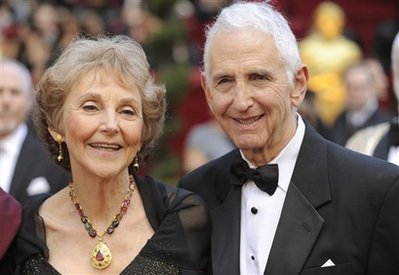
Daniel Ellsberg was interviewed for pieces in both the New York Times and CNN on the anniversary, and on the government’s decision to declassify the Papers.

In the New York Times piece, Daniel said:

It’s absurd. . . . The reasons [for keeping it secret all these years] are very clearly domestic political reasons, not national security at all. The reasons for the prolonged secrecy are to conceal the fact that so much of the policy making doesn’t bear public examination. It’s embarrassing, or even incriminating. . . .

It seems to me that what the Pentagon Papers really demonstrated 40 years ago was the price of [Congress giving its war powers to the President. . . . ] [L]etting a small group of men in secret in the executive branch make these decisions — initiate them secretly, carry them out secretly and manipulate Congress, and lie to Congress and the public as to why they’re doing it and what they’re doing — is a recipe for, a guarantee of Vietnams and Iraqs and Libyas, and in general foolish, reckless, dangerous policies.

In the CNN piece, which contains a longer interview with Daniel, he said:
Continue Reading

Misc

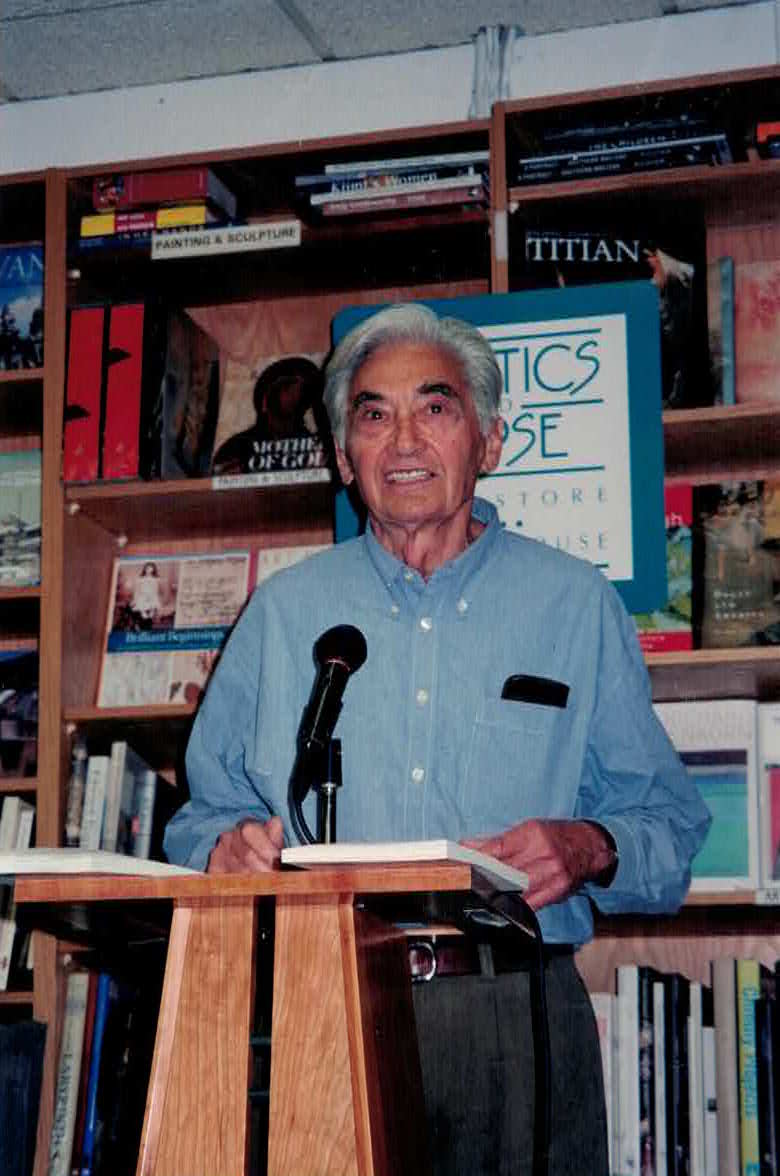
A Memory of Howard Zinn

I just learned that my friend Howard Zinn died today. Earlier this morning, I was being interviewed by the Boston Phoenix, in connection with the release in Boston February of a documentary in which he is featured prominently. The interviewer asked me who my own heroes were, and I had no hesitation in answering, first, “Howard Zinn.”

Just weeks ago after watching the film on December 7, I woke up the next morning thinking that I had never told him how much he meant to me. For once in my life, I acted on that thought in a timely way. I sent him an e-mail in which I said, among other things, what I had often told others about him: that he was,” in my opinion, the best human being I’ve ever known. The best example of what a human can be, and can do with their life.”

Continue Reading

Articles, Doomsday Machine

U.S. Nuclear Terrorism

[Daniel’s chapter in Transforming Terror: Remembering the Soul of the World, eds. Susan Griffin and Karin Lofthus Carrington]

Long after the ending of the Cold War, the chance that some nuclear weapons will kill masses of innocent humans somewhere, before very long, may well be higher than it was before the fall of the Berlin Wall.

One phase of the Nuclear Age, the period of superpower arms race and confrontation, has indeed come to a close (though the possibility of all-out, omnicidal exchange of alert forces triggered by a false alarm remains, inexcusably, well above zero).  But another dangerous phase now looms, the era of nuclear proliferation and with it, an increased likelihood of regional nuclear wars, accidents, and nuclear terrorism.  And the latter prospect is posed not just by “rogue” states or sub-state terrorists but by the United States, which has both led by example for sixty years of making nuclear first-use threats that amount to terrorism and may well be the first or among the first to carry out such threats.

Continue Reading

Articles, Doomsday Machine

Roots of the Upcoming Nuclear Crisis

[Daniel’s chapter The Challenge of Abolishing Nuclear Weapons, ed. David Krieger. It was originally presented at The Challenge of Abolishing Nuclear Weapons, a conference organized by the Toda Institute for Global Peace and Policy Research, in partnership with the Nuclear Age Peace Foundation, September, 2007 in San Francisco.]

The chance that some nuclear weapon will kill masses of innocent humans somewhere, before very long, may well be higher than it was before the fall of the Berlin Wall. One phase of the Nuclear Age, the period of superpower arms race and confrontation, has indeed come to a close, for now. But another dangerous phase now looms, the era of nuclear proliferation and with it an increased likelihood of regional nuclear wars and nuclear terrorism. This prospect is enhanced not just by “rogue” states or sub-state terrorists but above all by the United States.

Continue Reading

Articles, Doomsday Machine

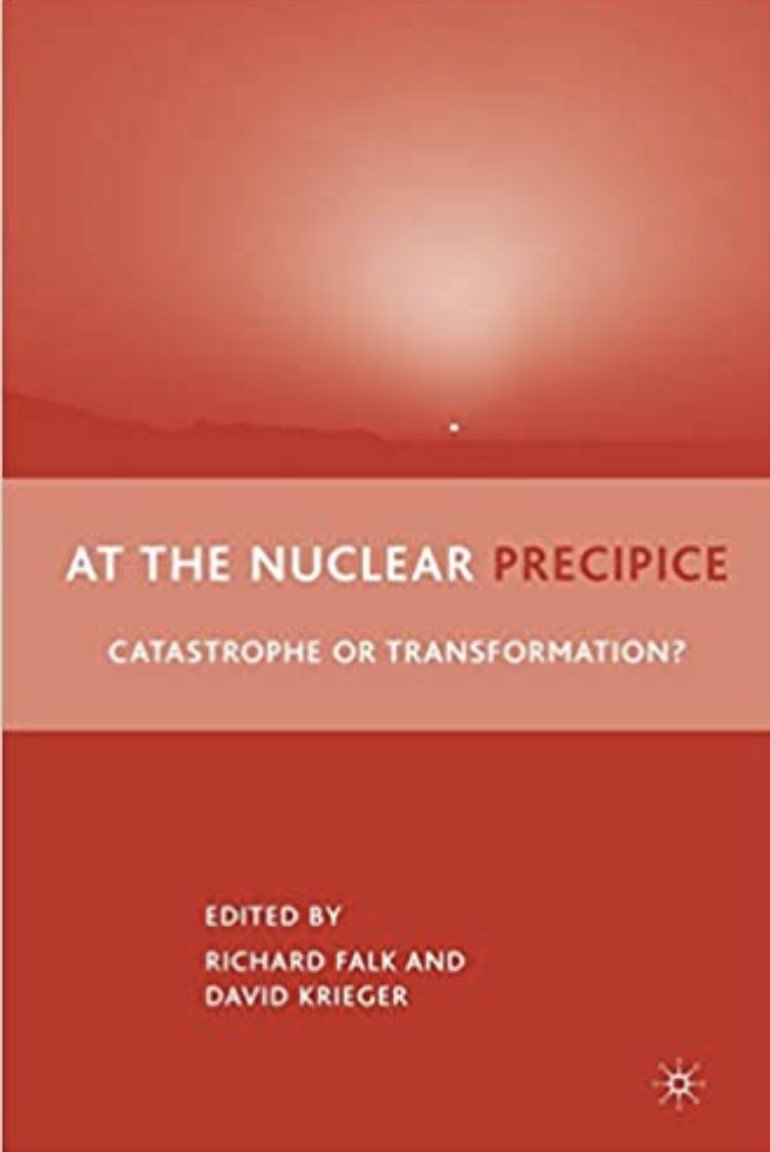
Ending Nuclear Terrorism: By America and Others

[Daniel’s chapter in At the Nuclear Precipice: Catastrophe or Transformation?, edited by Richard Falk and David Krieger. Originally presented at the 2006 symposium, At the Nuclear Precipice: Nuclear Weapons and the Abandonment of International Law organized by the Nuclear Age Peace Foundation.]

Long after the ending of the Cold War, the chance that some nuclear weapons will kill masses of innocent humans somewhere, before very long, may well be higher than it was before the fall of the Berlin Wall.

One phase of the Nuclear Age, the period of superpower arms race and confrontation, has indeed come to a close (though the possibility of all-out, omnicidal exchange of alert forces triggered by a false alarm remains, inexcusably, well above zero). But another dangerous phase now looms, the era of nuclear proliferation and with it, an increased likelihood of regional nuclear wars, accidents, and nuclear terrorism.

Continue Reading